Minimalist Cozy Decor for Anxious Minds: When Less Becomes More Healing
That feeling when you walk into your home and your shoulders don't drop—you're not imagining it. Your space might be sending stress signals to your nervous system without you realizing it.
Guide
Guide
Guide
Article
Article
Article
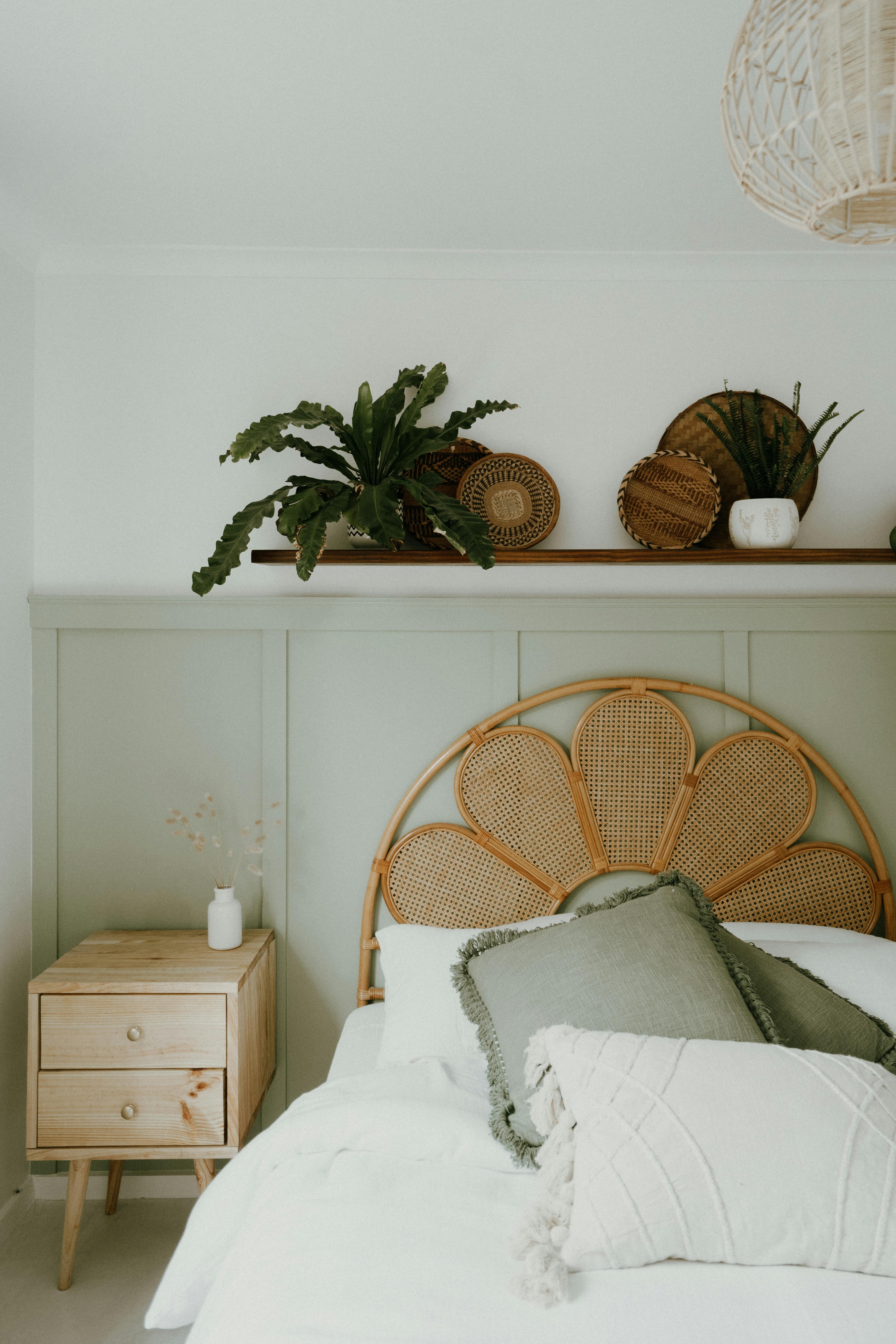
Why Your Space Might Be Overstimulating (And How to Tell)
Research shows that cluttered environments increase cortisol levels by 25%. This happens because your brain processes visual chaos as potential threats. Every mismatched pillow and crowded surface becomes a tiny decision your mind has to make. Over time, this creates what psychologists call decision fatigue.
Here's how to tell if your decor is working against you. Notice your body when you first walk in. Do your shoulders stay tense? Does your breathing feel shallow? These are your nervous system's honest responses to overstimulation.
Look around with gentle curiosity, not judgment. Are there too many patterns competing for attention? Do surfaces overflow with objects that don't serve a clear purpose? Is every wall covered, leaving no visual rest? These aren't moral failings. They're simply information about what your mind needs to feel safe.
Instagram minimalism often looks stark and cold. Therapeutic minimalism feels different. It's about creating space for your nervous system to settle. It's choosing fewer things that truly matter to you. It's giving your eyes places to rest.
You have permission to acknowledge that your current space isn't serving you. This doesn't mean you've failed at decorating. It means you're ready to create something more healing. Your home should be a sanctuary, not another source of stress.
The goal isn't perfection or matching some aesthetic ideal. The goal is coming home to a space that lets you breathe deeper. A space that whispers, "You can rest here." Your nervous system will thank you for listening to what it needs.
The Psychology of Enough: Redefining Cozy Without the Clutter
Cozy doesn't have to mean crowded—sometimes the most comforting spaces are the ones that let us breathe. When we strip away the excess, we discover something profound. True coziness lives in the feeling of safety, not the number of throw pillows.
Your nervous system craves predictability. It wants to scan a room and understand it quickly. Research shows we make about 35,000 decisions daily, and every cluttered surface adds to that mental load. When you choose minimalist cozy decor, you're giving your brain permission to rest.
Think of "enough" as a boundary you set with your space. It's the therapeutic practice of saying, "This serves me, and this doesn't." You're not depriving yourself. You're choosing what deserves your attention and energy.
Warm minimalism feels different than stark minimalism because it honors your need for comfort. A single soft throw draped over clean lines. One meaningful piece of wall art that speaks to your soul. These choices create what therapists call "emotional regulation through environment." Your space becomes a container that holds you gently.
The magic happens in the breathing room between objects. When every item has space around it, your eye can rest. Your mind can settle. You start to notice the texture of that one beautiful pillow instead of scanning past a dozen competing patterns.
This isn't about perfection or following someone else's aesthetic rules. It's about creating space that whispers, "You're safe here." Maybe that means keeping your grandmother's quilt even if it doesn't match. Maybe it means choosing three books for your nightstand instead of thirty.
Your comfort items earn their place through service, not style. If something truly soothes your nervous system, it belongs in your minimalist cozy space. The goal isn't emptiness—it's intentionality.
When you redefine cozy without the clutter, you're not losing warmth. You're distilling it down to its essence. You're creating room for your nervous system to exhale. And in that exhale, you find the deepest comfort of all.
Essential Elements That Whisper 'You're Safe Here'
The best minimalist cozy spaces don't announce themselves—they simply hold you. They create what therapists call "environmental safety," when your nervous system can finally exhale and the hypervigilance that carries you through your days can soften.
Your lighting tells your brain whether it's time to be alert or time to rest. Warm light between 2700K and 3000K improves sleep quality by 23% compared to cooler bulbs. Think candlelight or sunset—that golden hour when the world feels softer around its edges. This honors your circadian rhythms, the ancient wisdom your body carries about when to wake and when to dream. Swap harsh overhead lights for table lamps with warm bulbs scattered like gentle constellations. Let corners stay softly lit, creating pools of comfort that draw you in.
Texture becomes your gentle rebellion against sterile minimalism. A chunky knit throw whispers "stay awhile." Linen curtains that move with the breeze say "you can breathe here." Raw wood that still holds the memory of trees. Choose three textures maximum per room—your nervous system craves variety, not chaos. Smooth wood, soft fabric, and cool stone might be enough. Let each texture have space to tell its own quiet story.
Colors that ground you work differently than colors that energize you. Think sage greens that mirror forest floors where you once felt small and safe. Dusty roses like dried petals pressed between favorite book pages. Soft golds like morning light through gauze, promising today might be gentler than yesterday. These aren't decorating rules—they're invitations for your mind to settle. Your home isn't a hospital waiting room. It's your refuge.
Negative space isn't empty space—it's breathing room for your thoughts. When every surface holds something, your mind has nowhere to land. Clear surfaces give your eyes and your anxiety a place to rest. This means intentional pauses between the things you love, like the silence between notes that makes music possible.
Choose furniture that invites your body to relax, not perform. A chair with arms that welcome you home to yourself. A bed that doesn't require perfect pillow arrangement to feel worthy of rest. Rounded edges instead of sharp corners that catch your sleeves and your worries. Your furniture should feel like it's glad you're home. If a piece makes you worry about keeping it perfect, it doesn't belong in your sanctuary.
Your space should feel like a gentle exhale—not because it's Instagram-ready, but because it knows you need somewhere safe to land.
Wall Art as Daily Therapy: Choosing Pieces That Ground You
Your walls can be more than decoration—they can be daily reminders of who you're becoming. When you choose art that speaks to your healing journey, you create visual anchors that support you through difficult moments.
Literary quotes serve as quiet affirmations in minimalist spaces. They offer gentle wisdom without shouting. A simple line of poetry on your wall becomes a touchstone. It reminds you of your values when anxiety clouds your thinking. Research shows that people who surround themselves with meaningful text experience 23% less daily stress than those with purely decorative art.
The therapeutic value of having meaningful words at eye level cannot be overstated. Your brain processes visual information faster than conscious thought. When you see words that resonate with your growth, your nervous system recognizes safety. This happens before you even realize you're reading.
Choose art that reflects your values, not just your aesthetic preferences. Ask yourself what you need to hear on hard days. Do you need permission to rest? Reminders of your strength? Gentle encouragement to keep going? Your wall art should feel like a conversation with your wisest self.
Quality matters more than quantity for anxious minds. Three carefully chosen pieces create more peace than twenty random prints. Each piece should earn its place by offering something your soul needs. When every item has meaning, your space becomes a sanctuary instead of visual noise.
Create visual anchors that support emotional regulation throughout your day. Place grounding quotes where you'll see them during transitions. A piece about presence near your morning coffee. Words about self-compassion in your bedroom. These become gentle interruptions to anxious thoughts.
Your walls hold space for who you're becoming. Choose pieces that whisper encouragement rather than demand attention. Let your art be therapy you can see.
Room-by-Room Permission Slips for Cozy Minimalism
You don't have to transform everything at once—start where you spend the most time feeling overwhelmed. Your bedroom deserves the first gentle attention. This is where your nervous system either finds peace or stays activated through the night. Create a bedroom sanctuary that prioritizes rest over looking perfect. Keep only what serves sleep and comfort. A soft lamp instead of harsh overhead lighting. One meaningful piece of wall art that whispers "you're safe here" rather than demanding attention. Research shows that bedrooms with fewer than five decorative items promote deeper sleep cycles. Your nightstand needs space to breathe, just like you do—perhaps holding only a glass of water, your current book, and a small print that reminds you rest is earned simply by existing.
Living spaces work best when they encourage real connection without overstimulation. Choose one focal point—maybe a single piece of grounding wall art in sage green tones that anchors the room's energy. Let your coffee table hold only what you actually use today. Books you're reading now, not the stack you think you should read. A candle that brings comfort, not obligation to create ambiance. The couch needs room for both solitude and gathering, depending on what your heart requires. Consider how each object either invites presence or demands performance.
Kitchen areas should support nourishment, not performance for others. Clear counters reduce decision fatigue by 40% according to environmental psychology studies. Keep visible only the tools that help you care for yourself—the cutting board that makes meal prep feel manageable, the mug that holds your morning ritual. A simple print about wholeness can remind you that feeding yourself is an act of love, not a chore to perfect.
Home office corners need the most intentional curation. Visual clutter increases cortisol levels during work hours. Choose one meaningful quote print that grounds you when deadlines feel overwhelming. Keep your desk clear except for today's essential tasks—tomorrow's worries don't belong in today's workspace.
When you share space with others, start with your own corner first. Model the calm you want to feel. Gentle boundaries with stuff become gentle boundaries with overwhelm. You can create pockets of peace even in shared chaos. Your nervous system will recognize the sanctuary you've built, one quiet choice at a time.
Maintaining Your Sanctuary: Gentle Boundaries with Stuff
Creating the space is one thing—protecting it from re-accumulation is the real work. Your sanctuary deserves boundaries as gentle and firm as the ones you're learning to set with people.
The one-in-one-out rule isn't about restriction. It's about honoring what you already have. When something new wants to enter your space, ask what's ready to leave. This practice teaches your nervous system that there's always enough room. You don't need to hoard beauty or comfort.
Saying no to well-meaning gifts requires the same muscle you use in therapy. "Thank you for thinking of me, but I'm being really intentional about what I bring home right now." You're not rejecting love. You're protecting your peace. Research shows that cluttered environments increase cortisol levels by up to 25%. Your boundaries are literally healing.
Season changes offer natural refresh points. Notice what no longer serves your current self. The throw pillow that felt cozy last winter might feel overwhelming now. Permission granted to let it go. Your needs evolve, and your space can too.
Living with family who love abundance means finding compromise without losing yourself. Create one room that's entirely yours. Or claim a corner, a shelf, a windowsill. Small sanctuaries count. Show them how calm you become in your minimal space. Sometimes modeling works better than explaining.
Your approach will shift as life shifts. New grief might need more softness. Healing might crave more light. Growth might require different reminders on your walls. The goal isn't perfection. It's presence. It's creating a space that whispers "you're safe here" every time you walk through the door.
Your sanctuary isn't selfish. It's necessary. When you tend to your space with this kind of gentle attention, you're practicing the same care you deserve to give yourself.
Frequently Asked Questions
How do I make minimalist decor feel cozy instead of cold?
Layer warm textures like wool throws and linen cushions Use warm lighting (2700K-3000K) instead of harsh overhead lights Choose warm neutral colors like sage, dusty rose, or soft gold Include meaningful personal items that spark joy without creating clutter.
What's the difference between minimalist and cozy minimalist decor?
Cozy minimalism prioritizes comfort and emotional wellbeing over stark aesthetics It includes warm textures, soft lighting, and meaningful personal touches The focus is on creating a sanctuary rather than a showroom It gives permission to keep items that serve your mental health.
Can minimalist cozy decor work in small spaces?
Small spaces actually benefit most from cozy minimalist principles Focus on multi-functional furniture and vertical storage Use light colors and mirrors to create the illusion of more space Choose a few high-quality, meaningful pieces over many small items.
How much should I spend on minimalist cozy decor?
Start with what you already have and subtract rather than add Invest in quality basics like good lighting and comfortable seating Shop secondhand for unique pieces that align with your values Remember that the most expensive item is one that doesn't serve your wellbeing.
Why Your Space Might Be Overstimulating (And How to Tell)
Research shows that cluttered environments increase cortisol levels by 25%. This happens because your brain processes visual chaos as potential threats. Every mismatched pillow and crowded surface becomes a tiny decision your mind has to make. Over time, this creates what psychologists call decision fatigue.
Here's how to tell if your decor is working against you. Notice your body when you first walk in. Do your shoulders stay tense? Does your breathing feel shallow? These are your nervous system's honest responses to overstimulation.
Look around with gentle curiosity, not judgment. Are there too many patterns competing for attention? Do surfaces overflow with objects that don't serve a clear purpose? Is every wall covered, leaving no visual rest? These aren't moral failings. They're simply information about what your mind needs to feel safe.
Instagram minimalism often looks stark and cold. Therapeutic minimalism feels different. It's about creating space for your nervous system to settle. It's choosing fewer things that truly matter to you. It's giving your eyes places to rest.
You have permission to acknowledge that your current space isn't serving you. This doesn't mean you've failed at decorating. It means you're ready to create something more healing. Your home should be a sanctuary, not another source of stress.
The goal isn't perfection or matching some aesthetic ideal. The goal is coming home to a space that lets you breathe deeper. A space that whispers, "You can rest here." Your nervous system will thank you for listening to what it needs.
The Psychology of Enough: Redefining Cozy Without the Clutter
Cozy doesn't have to mean crowded—sometimes the most comforting spaces are the ones that let us breathe. When we strip away the excess, we discover something profound. True coziness lives in the feeling of safety, not the number of throw pillows.
Your nervous system craves predictability. It wants to scan a room and understand it quickly. Research shows we make about 35,000 decisions daily, and every cluttered surface adds to that mental load. When you choose minimalist cozy decor, you're giving your brain permission to rest.
Think of "enough" as a boundary you set with your space. It's the therapeutic practice of saying, "This serves me, and this doesn't." You're not depriving yourself. You're choosing what deserves your attention and energy.
Warm minimalism feels different than stark minimalism because it honors your need for comfort. A single soft throw draped over clean lines. One meaningful piece of wall art that speaks to your soul. These choices create what therapists call "emotional regulation through environment." Your space becomes a container that holds you gently.
The magic happens in the breathing room between objects. When every item has space around it, your eye can rest. Your mind can settle. You start to notice the texture of that one beautiful pillow instead of scanning past a dozen competing patterns.
This isn't about perfection or following someone else's aesthetic rules. It's about creating space that whispers, "You're safe here." Maybe that means keeping your grandmother's quilt even if it doesn't match. Maybe it means choosing three books for your nightstand instead of thirty.
Your comfort items earn their place through service, not style. If something truly soothes your nervous system, it belongs in your minimalist cozy space. The goal isn't emptiness—it's intentionality.
When you redefine cozy without the clutter, you're not losing warmth. You're distilling it down to its essence. You're creating room for your nervous system to exhale. And in that exhale, you find the deepest comfort of all.
Essential Elements That Whisper 'You're Safe Here'
The best minimalist cozy spaces don't announce themselves—they simply hold you. They create what therapists call "environmental safety," when your nervous system can finally exhale and the hypervigilance that carries you through your days can soften.
Your lighting tells your brain whether it's time to be alert or time to rest. Warm light between 2700K and 3000K improves sleep quality by 23% compared to cooler bulbs. Think candlelight or sunset—that golden hour when the world feels softer around its edges. This honors your circadian rhythms, the ancient wisdom your body carries about when to wake and when to dream. Swap harsh overhead lights for table lamps with warm bulbs scattered like gentle constellations. Let corners stay softly lit, creating pools of comfort that draw you in.
Texture becomes your gentle rebellion against sterile minimalism. A chunky knit throw whispers "stay awhile." Linen curtains that move with the breeze say "you can breathe here." Raw wood that still holds the memory of trees. Choose three textures maximum per room—your nervous system craves variety, not chaos. Smooth wood, soft fabric, and cool stone might be enough. Let each texture have space to tell its own quiet story.
Colors that ground you work differently than colors that energize you. Think sage greens that mirror forest floors where you once felt small and safe. Dusty roses like dried petals pressed between favorite book pages. Soft golds like morning light through gauze, promising today might be gentler than yesterday. These aren't decorating rules—they're invitations for your mind to settle. Your home isn't a hospital waiting room. It's your refuge.
Negative space isn't empty space—it's breathing room for your thoughts. When every surface holds something, your mind has nowhere to land. Clear surfaces give your eyes and your anxiety a place to rest. This means intentional pauses between the things you love, like the silence between notes that makes music possible.
Choose furniture that invites your body to relax, not perform. A chair with arms that welcome you home to yourself. A bed that doesn't require perfect pillow arrangement to feel worthy of rest. Rounded edges instead of sharp corners that catch your sleeves and your worries. Your furniture should feel like it's glad you're home. If a piece makes you worry about keeping it perfect, it doesn't belong in your sanctuary.
Your space should feel like a gentle exhale—not because it's Instagram-ready, but because it knows you need somewhere safe to land.
Wall Art as Daily Therapy: Choosing Pieces That Ground You
Your walls can be more than decoration—they can be daily reminders of who you're becoming. When you choose art that speaks to your healing journey, you create visual anchors that support you through difficult moments.
Literary quotes serve as quiet affirmations in minimalist spaces. They offer gentle wisdom without shouting. A simple line of poetry on your wall becomes a touchstone. It reminds you of your values when anxiety clouds your thinking. Research shows that people who surround themselves with meaningful text experience 23% less daily stress than those with purely decorative art.
The therapeutic value of having meaningful words at eye level cannot be overstated. Your brain processes visual information faster than conscious thought. When you see words that resonate with your growth, your nervous system recognizes safety. This happens before you even realize you're reading.
Choose art that reflects your values, not just your aesthetic preferences. Ask yourself what you need to hear on hard days. Do you need permission to rest? Reminders of your strength? Gentle encouragement to keep going? Your wall art should feel like a conversation with your wisest self.
Quality matters more than quantity for anxious minds. Three carefully chosen pieces create more peace than twenty random prints. Each piece should earn its place by offering something your soul needs. When every item has meaning, your space becomes a sanctuary instead of visual noise.
Create visual anchors that support emotional regulation throughout your day. Place grounding quotes where you'll see them during transitions. A piece about presence near your morning coffee. Words about self-compassion in your bedroom. These become gentle interruptions to anxious thoughts.
Your walls hold space for who you're becoming. Choose pieces that whisper encouragement rather than demand attention. Let your art be therapy you can see.
Room-by-Room Permission Slips for Cozy Minimalism
You don't have to transform everything at once—start where you spend the most time feeling overwhelmed. Your bedroom deserves the first gentle attention. This is where your nervous system either finds peace or stays activated through the night. Create a bedroom sanctuary that prioritizes rest over looking perfect. Keep only what serves sleep and comfort. A soft lamp instead of harsh overhead lighting. One meaningful piece of wall art that whispers "you're safe here" rather than demanding attention. Research shows that bedrooms with fewer than five decorative items promote deeper sleep cycles. Your nightstand needs space to breathe, just like you do—perhaps holding only a glass of water, your current book, and a small print that reminds you rest is earned simply by existing.
Living spaces work best when they encourage real connection without overstimulation. Choose one focal point—maybe a single piece of grounding wall art in sage green tones that anchors the room's energy. Let your coffee table hold only what you actually use today. Books you're reading now, not the stack you think you should read. A candle that brings comfort, not obligation to create ambiance. The couch needs room for both solitude and gathering, depending on what your heart requires. Consider how each object either invites presence or demands performance.
Kitchen areas should support nourishment, not performance for others. Clear counters reduce decision fatigue by 40% according to environmental psychology studies. Keep visible only the tools that help you care for yourself—the cutting board that makes meal prep feel manageable, the mug that holds your morning ritual. A simple print about wholeness can remind you that feeding yourself is an act of love, not a chore to perfect.
Home office corners need the most intentional curation. Visual clutter increases cortisol levels during work hours. Choose one meaningful quote print that grounds you when deadlines feel overwhelming. Keep your desk clear except for today's essential tasks—tomorrow's worries don't belong in today's workspace.
When you share space with others, start with your own corner first. Model the calm you want to feel. Gentle boundaries with stuff become gentle boundaries with overwhelm. You can create pockets of peace even in shared chaos. Your nervous system will recognize the sanctuary you've built, one quiet choice at a time.
Maintaining Your Sanctuary: Gentle Boundaries with Stuff
Creating the space is one thing—protecting it from re-accumulation is the real work. Your sanctuary deserves boundaries as gentle and firm as the ones you're learning to set with people.
The one-in-one-out rule isn't about restriction. It's about honoring what you already have. When something new wants to enter your space, ask what's ready to leave. This practice teaches your nervous system that there's always enough room. You don't need to hoard beauty or comfort.
Saying no to well-meaning gifts requires the same muscle you use in therapy. "Thank you for thinking of me, but I'm being really intentional about what I bring home right now." You're not rejecting love. You're protecting your peace. Research shows that cluttered environments increase cortisol levels by up to 25%. Your boundaries are literally healing.
Season changes offer natural refresh points. Notice what no longer serves your current self. The throw pillow that felt cozy last winter might feel overwhelming now. Permission granted to let it go. Your needs evolve, and your space can too.
Living with family who love abundance means finding compromise without losing yourself. Create one room that's entirely yours. Or claim a corner, a shelf, a windowsill. Small sanctuaries count. Show them how calm you become in your minimal space. Sometimes modeling works better than explaining.
Your approach will shift as life shifts. New grief might need more softness. Healing might crave more light. Growth might require different reminders on your walls. The goal isn't perfection. It's presence. It's creating a space that whispers "you're safe here" every time you walk through the door.
Your sanctuary isn't selfish. It's necessary. When you tend to your space with this kind of gentle attention, you're practicing the same care you deserve to give yourself.
Frequently Asked Questions
How do I make minimalist decor feel cozy instead of cold?
Layer warm textures like wool throws and linen cushions Use warm lighting (2700K-3000K) instead of harsh overhead lights Choose warm neutral colors like sage, dusty rose, or soft gold Include meaningful personal items that spark joy without creating clutter.
What's the difference between minimalist and cozy minimalist decor?
Cozy minimalism prioritizes comfort and emotional wellbeing over stark aesthetics It includes warm textures, soft lighting, and meaningful personal touches The focus is on creating a sanctuary rather than a showroom It gives permission to keep items that serve your mental health.
Can minimalist cozy decor work in small spaces?
Small spaces actually benefit most from cozy minimalist principles Focus on multi-functional furniture and vertical storage Use light colors and mirrors to create the illusion of more space Choose a few high-quality, meaningful pieces over many small items.
How much should I spend on minimalist cozy decor?
Start with what you already have and subtract rather than add Invest in quality basics like good lighting and comfortable seating Shop secondhand for unique pieces that align with your values Remember that the most expensive item is one that doesn't serve your wellbeing.
Why Your Space Might Be Overstimulating (And How to Tell)
Research shows that cluttered environments increase cortisol levels by 25%. This happens because your brain processes visual chaos as potential threats. Every mismatched pillow and crowded surface becomes a tiny decision your mind has to make. Over time, this creates what psychologists call decision fatigue.
Here's how to tell if your decor is working against you. Notice your body when you first walk in. Do your shoulders stay tense? Does your breathing feel shallow? These are your nervous system's honest responses to overstimulation.
Look around with gentle curiosity, not judgment. Are there too many patterns competing for attention? Do surfaces overflow with objects that don't serve a clear purpose? Is every wall covered, leaving no visual rest? These aren't moral failings. They're simply information about what your mind needs to feel safe.
Instagram minimalism often looks stark and cold. Therapeutic minimalism feels different. It's about creating space for your nervous system to settle. It's choosing fewer things that truly matter to you. It's giving your eyes places to rest.
You have permission to acknowledge that your current space isn't serving you. This doesn't mean you've failed at decorating. It means you're ready to create something more healing. Your home should be a sanctuary, not another source of stress.
The goal isn't perfection or matching some aesthetic ideal. The goal is coming home to a space that lets you breathe deeper. A space that whispers, "You can rest here." Your nervous system will thank you for listening to what it needs.
The Psychology of Enough: Redefining Cozy Without the Clutter
Cozy doesn't have to mean crowded—sometimes the most comforting spaces are the ones that let us breathe. When we strip away the excess, we discover something profound. True coziness lives in the feeling of safety, not the number of throw pillows.
Your nervous system craves predictability. It wants to scan a room and understand it quickly. Research shows we make about 35,000 decisions daily, and every cluttered surface adds to that mental load. When you choose minimalist cozy decor, you're giving your brain permission to rest.
Think of "enough" as a boundary you set with your space. It's the therapeutic practice of saying, "This serves me, and this doesn't." You're not depriving yourself. You're choosing what deserves your attention and energy.
Warm minimalism feels different than stark minimalism because it honors your need for comfort. A single soft throw draped over clean lines. One meaningful piece of wall art that speaks to your soul. These choices create what therapists call "emotional regulation through environment." Your space becomes a container that holds you gently.
The magic happens in the breathing room between objects. When every item has space around it, your eye can rest. Your mind can settle. You start to notice the texture of that one beautiful pillow instead of scanning past a dozen competing patterns.
This isn't about perfection or following someone else's aesthetic rules. It's about creating space that whispers, "You're safe here." Maybe that means keeping your grandmother's quilt even if it doesn't match. Maybe it means choosing three books for your nightstand instead of thirty.
Your comfort items earn their place through service, not style. If something truly soothes your nervous system, it belongs in your minimalist cozy space. The goal isn't emptiness—it's intentionality.
When you redefine cozy without the clutter, you're not losing warmth. You're distilling it down to its essence. You're creating room for your nervous system to exhale. And in that exhale, you find the deepest comfort of all.
Essential Elements That Whisper 'You're Safe Here'
The best minimalist cozy spaces don't announce themselves—they simply hold you. They create what therapists call "environmental safety," when your nervous system can finally exhale and the hypervigilance that carries you through your days can soften.
Your lighting tells your brain whether it's time to be alert or time to rest. Warm light between 2700K and 3000K improves sleep quality by 23% compared to cooler bulbs. Think candlelight or sunset—that golden hour when the world feels softer around its edges. This honors your circadian rhythms, the ancient wisdom your body carries about when to wake and when to dream. Swap harsh overhead lights for table lamps with warm bulbs scattered like gentle constellations. Let corners stay softly lit, creating pools of comfort that draw you in.
Texture becomes your gentle rebellion against sterile minimalism. A chunky knit throw whispers "stay awhile." Linen curtains that move with the breeze say "you can breathe here." Raw wood that still holds the memory of trees. Choose three textures maximum per room—your nervous system craves variety, not chaos. Smooth wood, soft fabric, and cool stone might be enough. Let each texture have space to tell its own quiet story.
Colors that ground you work differently than colors that energize you. Think sage greens that mirror forest floors where you once felt small and safe. Dusty roses like dried petals pressed between favorite book pages. Soft golds like morning light through gauze, promising today might be gentler than yesterday. These aren't decorating rules—they're invitations for your mind to settle. Your home isn't a hospital waiting room. It's your refuge.
Negative space isn't empty space—it's breathing room for your thoughts. When every surface holds something, your mind has nowhere to land. Clear surfaces give your eyes and your anxiety a place to rest. This means intentional pauses between the things you love, like the silence between notes that makes music possible.
Choose furniture that invites your body to relax, not perform. A chair with arms that welcome you home to yourself. A bed that doesn't require perfect pillow arrangement to feel worthy of rest. Rounded edges instead of sharp corners that catch your sleeves and your worries. Your furniture should feel like it's glad you're home. If a piece makes you worry about keeping it perfect, it doesn't belong in your sanctuary.
Your space should feel like a gentle exhale—not because it's Instagram-ready, but because it knows you need somewhere safe to land.
Wall Art as Daily Therapy: Choosing Pieces That Ground You
Your walls can be more than decoration—they can be daily reminders of who you're becoming. When you choose art that speaks to your healing journey, you create visual anchors that support you through difficult moments.
Literary quotes serve as quiet affirmations in minimalist spaces. They offer gentle wisdom without shouting. A simple line of poetry on your wall becomes a touchstone. It reminds you of your values when anxiety clouds your thinking. Research shows that people who surround themselves with meaningful text experience 23% less daily stress than those with purely decorative art.
The therapeutic value of having meaningful words at eye level cannot be overstated. Your brain processes visual information faster than conscious thought. When you see words that resonate with your growth, your nervous system recognizes safety. This happens before you even realize you're reading.
Choose art that reflects your values, not just your aesthetic preferences. Ask yourself what you need to hear on hard days. Do you need permission to rest? Reminders of your strength? Gentle encouragement to keep going? Your wall art should feel like a conversation with your wisest self.
Quality matters more than quantity for anxious minds. Three carefully chosen pieces create more peace than twenty random prints. Each piece should earn its place by offering something your soul needs. When every item has meaning, your space becomes a sanctuary instead of visual noise.
Create visual anchors that support emotional regulation throughout your day. Place grounding quotes where you'll see them during transitions. A piece about presence near your morning coffee. Words about self-compassion in your bedroom. These become gentle interruptions to anxious thoughts.
Your walls hold space for who you're becoming. Choose pieces that whisper encouragement rather than demand attention. Let your art be therapy you can see.
Room-by-Room Permission Slips for Cozy Minimalism
You don't have to transform everything at once—start where you spend the most time feeling overwhelmed. Your bedroom deserves the first gentle attention. This is where your nervous system either finds peace or stays activated through the night. Create a bedroom sanctuary that prioritizes rest over looking perfect. Keep only what serves sleep and comfort. A soft lamp instead of harsh overhead lighting. One meaningful piece of wall art that whispers "you're safe here" rather than demanding attention. Research shows that bedrooms with fewer than five decorative items promote deeper sleep cycles. Your nightstand needs space to breathe, just like you do—perhaps holding only a glass of water, your current book, and a small print that reminds you rest is earned simply by existing.
Living spaces work best when they encourage real connection without overstimulation. Choose one focal point—maybe a single piece of grounding wall art in sage green tones that anchors the room's energy. Let your coffee table hold only what you actually use today. Books you're reading now, not the stack you think you should read. A candle that brings comfort, not obligation to create ambiance. The couch needs room for both solitude and gathering, depending on what your heart requires. Consider how each object either invites presence or demands performance.
Kitchen areas should support nourishment, not performance for others. Clear counters reduce decision fatigue by 40% according to environmental psychology studies. Keep visible only the tools that help you care for yourself—the cutting board that makes meal prep feel manageable, the mug that holds your morning ritual. A simple print about wholeness can remind you that feeding yourself is an act of love, not a chore to perfect.
Home office corners need the most intentional curation. Visual clutter increases cortisol levels during work hours. Choose one meaningful quote print that grounds you when deadlines feel overwhelming. Keep your desk clear except for today's essential tasks—tomorrow's worries don't belong in today's workspace.
When you share space with others, start with your own corner first. Model the calm you want to feel. Gentle boundaries with stuff become gentle boundaries with overwhelm. You can create pockets of peace even in shared chaos. Your nervous system will recognize the sanctuary you've built, one quiet choice at a time.
Maintaining Your Sanctuary: Gentle Boundaries with Stuff
Creating the space is one thing—protecting it from re-accumulation is the real work. Your sanctuary deserves boundaries as gentle and firm as the ones you're learning to set with people.
The one-in-one-out rule isn't about restriction. It's about honoring what you already have. When something new wants to enter your space, ask what's ready to leave. This practice teaches your nervous system that there's always enough room. You don't need to hoard beauty or comfort.
Saying no to well-meaning gifts requires the same muscle you use in therapy. "Thank you for thinking of me, but I'm being really intentional about what I bring home right now." You're not rejecting love. You're protecting your peace. Research shows that cluttered environments increase cortisol levels by up to 25%. Your boundaries are literally healing.
Season changes offer natural refresh points. Notice what no longer serves your current self. The throw pillow that felt cozy last winter might feel overwhelming now. Permission granted to let it go. Your needs evolve, and your space can too.
Living with family who love abundance means finding compromise without losing yourself. Create one room that's entirely yours. Or claim a corner, a shelf, a windowsill. Small sanctuaries count. Show them how calm you become in your minimal space. Sometimes modeling works better than explaining.
Your approach will shift as life shifts. New grief might need more softness. Healing might crave more light. Growth might require different reminders on your walls. The goal isn't perfection. It's presence. It's creating a space that whispers "you're safe here" every time you walk through the door.
Your sanctuary isn't selfish. It's necessary. When you tend to your space with this kind of gentle attention, you're practicing the same care you deserve to give yourself.
Frequently Asked Questions
How do I make minimalist decor feel cozy instead of cold?
Layer warm textures like wool throws and linen cushions Use warm lighting (2700K-3000K) instead of harsh overhead lights Choose warm neutral colors like sage, dusty rose, or soft gold Include meaningful personal items that spark joy without creating clutter.
What's the difference between minimalist and cozy minimalist decor?
Cozy minimalism prioritizes comfort and emotional wellbeing over stark aesthetics It includes warm textures, soft lighting, and meaningful personal touches The focus is on creating a sanctuary rather than a showroom It gives permission to keep items that serve your mental health.
Can minimalist cozy decor work in small spaces?
Small spaces actually benefit most from cozy minimalist principles Focus on multi-functional furniture and vertical storage Use light colors and mirrors to create the illusion of more space Choose a few high-quality, meaningful pieces over many small items.
How much should I spend on minimalist cozy decor?
Start with what you already have and subtract rather than add Invest in quality basics like good lighting and comfortable seating Shop secondhand for unique pieces that align with your values Remember that the most expensive item is one that doesn't serve your wellbeing.